
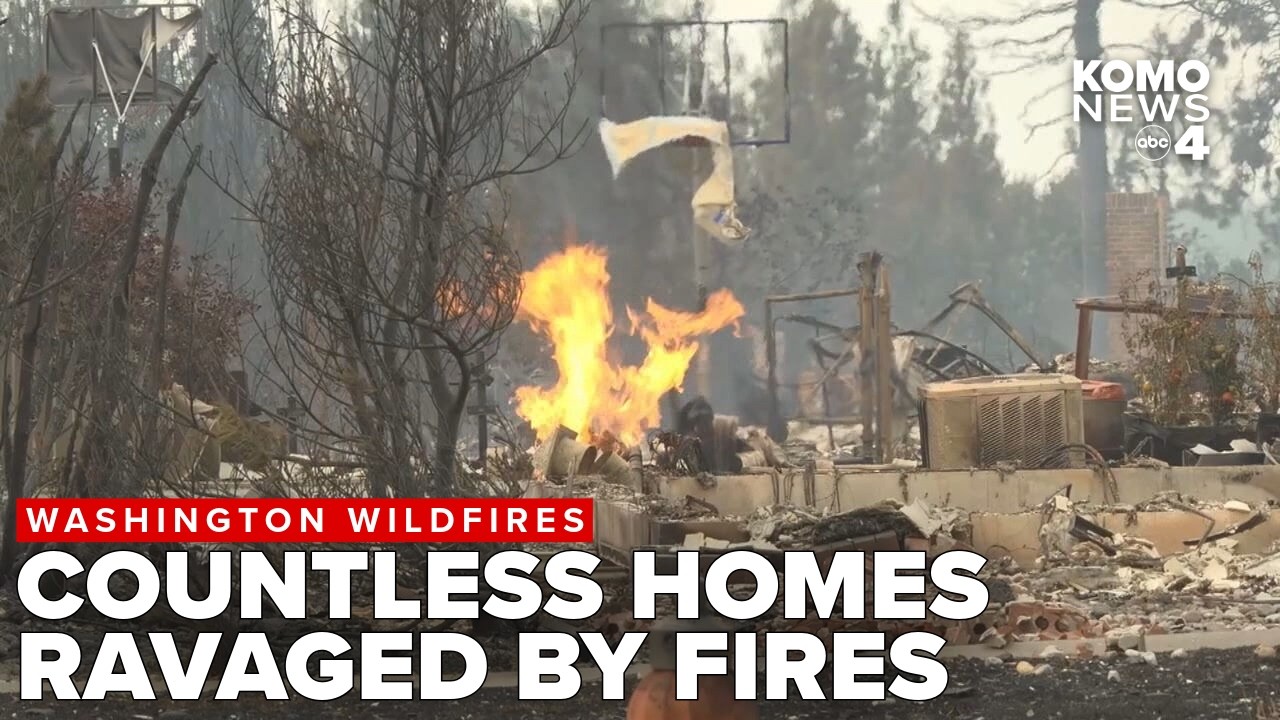
Three massive wildfires raced by neighborhoods in and round Spokane, Washington, the weekend of Aug. 1, 2026, destroying at least 600 homes and other structures and threatening many more. Tens of 1000’s of individuals, together with sufferers on the Veterans Affairs medical middle, have been forced to evacuate as crews from throughout Washington and Idaho battled fires that continue to burn.
Happily, residents and hearth crews had some warning. In the future earlier than the fires broke out, the Nationwide Climate Service declared a uncommon “particularly dangerous situation” warning for the Spokane area, the primary of its sort in Washington state.
Traditionally, hearth officers have issued purple flag warnings to point crucial hearth climate situations, together with low humidity and robust winds along side dry vegetation that would help the fast unfold of fires. A “significantly harmful state of affairs” alert elevates that warning, indicating a excessive danger of harm from an especially uncommon and dangerous occasion.
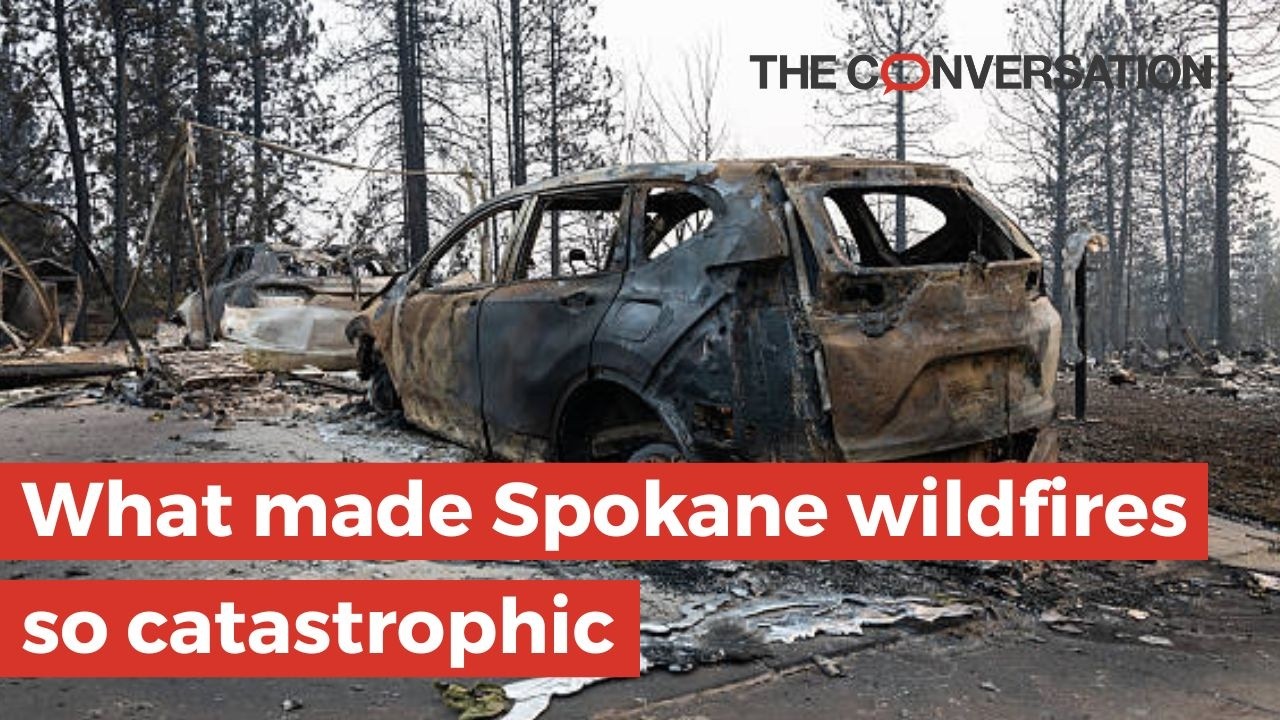
Forecasters had cause to be nervous. In Spokane, dry, windy situations converged in what’s often called the wildland-urban interface – an space the place neighborhoods have been constructed into the forests, shrublands and grasslands. That set the stage for the most recent wildland-urban catastrophe within the U.S.
What causes excessive hearth conduct?
The Spokane fires, collectively often called the Spokane Advanced Hearth, resulted from a uncommon convergence of compounding components.
Widespread drought conditions, pushed largely by a historic 2026 snow drought, performed a big function.
Snowpack acts as a pure reservoir, storing winter precipitation and step by step releasing meltwater into early summer season. With far beneath regular snowfall and exceptionally heat winter temperatures, forests dried weeks sooner than regular, leaving timber dealing with extended water stress and making them more and more weak to fires.

U.S. Drought Monitor
Regardless of usually dry situations, spring rain, interspersed with intervals of above-average temperatures, supported widespread growth of grasses, shrubs and other vegetation throughout the Northwest.
Uncovered to scorching summer season temperatures, this vegetation dried rapidly and have become extremely flammable, leaving a steady gas mattress the place wildfires may ignite and quickly unfold.
When a dry chilly entrance crossed the Inland Northwest on Aug. 1, it introduced extended, sustained sturdy winds of 15 to 25 miles per hour, with gusts as much as 45 mph, together with low humidity, which fueled the explosive development of the Spokane fires.

Drought.gov
Greater than 44,000 wildfires had burned more than 5 million acres throughout the U.S. in 2026 as of Aug. 3, effectively above the 10-year common for that time within the 12 months. That included blazes raging in tough terrain alongside the Utah–Colorado border that claimed the lives of three firefighters in June, and escalating hearth exercise that adopted throughout the Northwest as summer season progressed.
What’s completely different concerning the Spokane fires?
The acute hearth conduct of the Spokane Advanced Hearth was not distinctive among the many Northwest’s many active fires in early August 2026. The Big Grass Fire, for instance, alongside the Oregon–Idaho border, burned greater than 300,000 acres.
Within the Spokane space, nevertheless, the Old Trails, Fairview and Autumn Lane fires have been all burning largely inside wildland-urban interface landscapes, the place forests, shrublands and grasslands are interspersed with residential and business buildings.
That atmosphere created harmful pathways for hearth to unfold into developed areas, ignite weak constructions after which propagate from one construction to the following. By Aug. 3, the Spokane fires had burned more than 8,000 acres, or about 12.5 sq. miles (32 sq. kilometers), and have been nonetheless burning.

National Interagency Fire Center
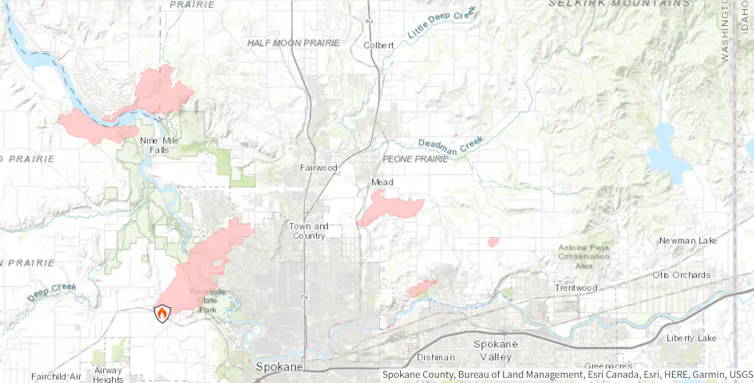
National Interagency Fire Center
Harmful Spokane fires replicate a broader pattern
In our analysis as fire scientists and climatologists, we’ve discovered that extra U.S. houses are being uncovered to wildfire danger.
Our current research signifies that 462,069 homes were exposed to large wildfires, that means the houses have been inside wildfire boundaries, from 2001 to 2020 throughout the contiguous U.S.
Two-thirds of these houses have been within the western U.S., the place the variety of houses uncovered to massive wildfires elevated sixfold over that interval. We discovered that dwelling survivability – the fraction of houses that have been inside the boundaries of a giant wildfire however not broken – declined by 12% over the identical interval.
This pattern is basically pushed by three components:
How everybody can scale back hearth danger
Wildfires are a pure a part of the North American panorama, significantly within the West. Traditionally, low-intensity fires periodically burned away low-lying vegetation earlier than it may construct as much as gas bigger blazes.
Over the previous century, nevertheless, with extra individuals dwelling within the wildland-urban interface, fires have been rapidly suppressed, permitting vegetation to construct up, which along side a warming local weather enhanced the danger of bigger fires.
There are, nevertheless, steps that communities and householders can take to scale back the danger of wildfires turning into disasters.
On the panorama scale, domestically tailor-made prescribed burning and forest thinning to take away dry and overgrown vegetation can scale back the probability that fires will become fast-moving, high-severity occasions that threaten communities and ecosystems.
On the group scale, everybody from residents to native governments, group organizations and house owner associations can collaboratively develop and implement community wildfire protection plans. These plans map weak neighborhoods and demanding infrastructure to search out methods to scale back their dangers in a hearth. In addition they prioritize areas for gas therapies, reminiscent of prescribed burns, and evacuation corridors to guard communities, strengthen emergency alert methods and enhance entry for firefighting.
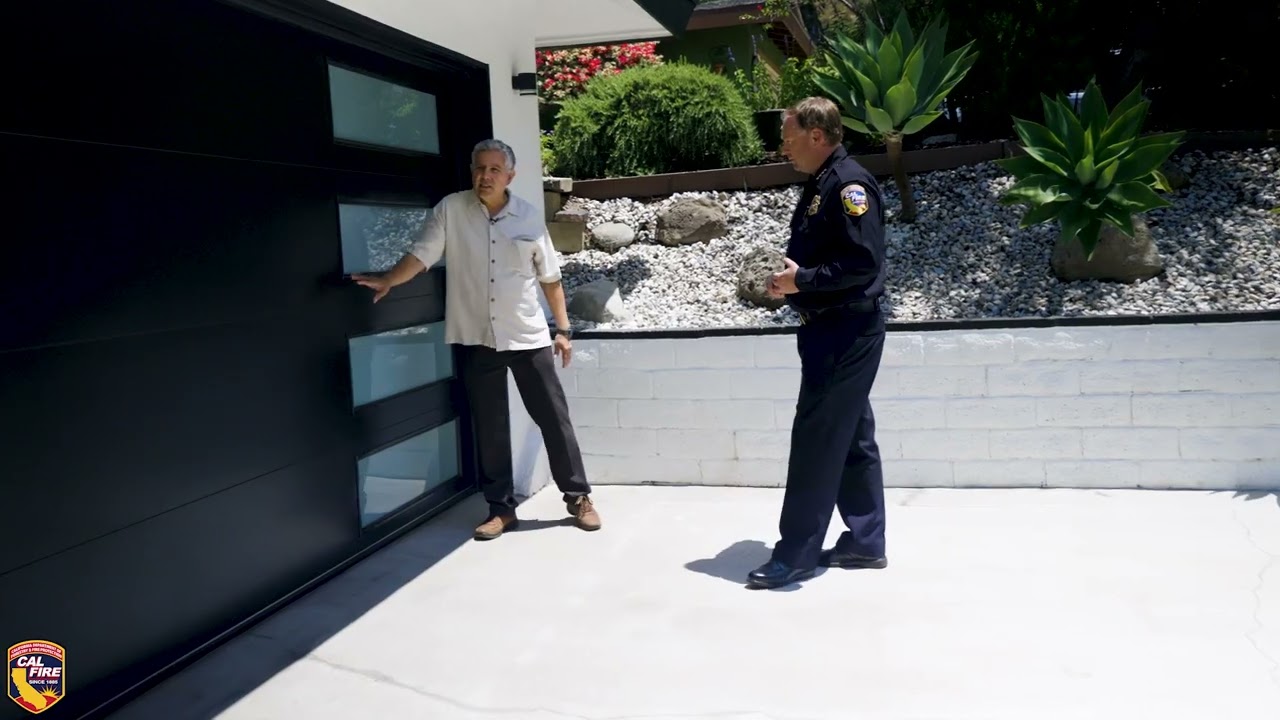
On the individual-home scale, home hardening and creating defensible space round houses can scale back the chance of a hearth reaching the house. Residence hardening means fixing weak parts reminiscent of roofs, home windows and openings by which wind-blown embers may enter. The world inside 5 ft of a house, known as Zone 0, ought to be stored freed from flamable supplies. Past this zone, vegetation ought to be pruned, thinned and adequately spaced to keep away from flames simply spreading.
These steps gained’t guarantee security from wildfires, however they will help scale back the injury and danger to human lives.