
Repeat outfit tradition has turn into probably the most defining shifts in style proper now, and never in a means that feels performative or trend-driven. This isn’t about forgetting what you wore final week or defaulting to comfort. It’s about intention. About returning to a bit you already know works and sporting it once more—intentionally, confidently, and with out apology. In a panorama constructed on fixed novelty, that selection reads as each restraint and energy.
What was as soon as handled as a style fake pas has, in 2026, turn into a marker of readability. Repeating an outfit now not requires clarification; it alerts self-awareness, self-discipline, and a refusal to take part within the countless cycle of consumption. The shift is refined however vital: fashion is transferring away from accumulation and towards articulation, much less about how a lot you personal, and extra about how properly you perceive what you have already got.
That is repeat outfit tradition, and it’s formally in.
The place It Began (And Why It Caught)
The dialog round rewearing garments isn’t new. It gained momentum throughout COVID, when folks merely weren’t shopping for as a result of they weren’t going anyplace. However in 2026, it has advanced into one thing way more intentional.
Royal households have all the time embraced outfit repetition, however now fashionable folks all over the place—from Lagos to London, Accra to Atlanta—are reframing it. A repeated outfit is now not an indication of limitation; it’s a marker of a well-curated wardrobe.
A part of this shift is financial. The price of dwelling is actual, and the expectation of a brand-new outfit for each occasion, birthday, or Friday dinner feels much less aspirational and extra exhausting. Individuals are recalibrating, asking not “what new factor can I purchase?” however “what do I already personal that I can fashion otherwise?”
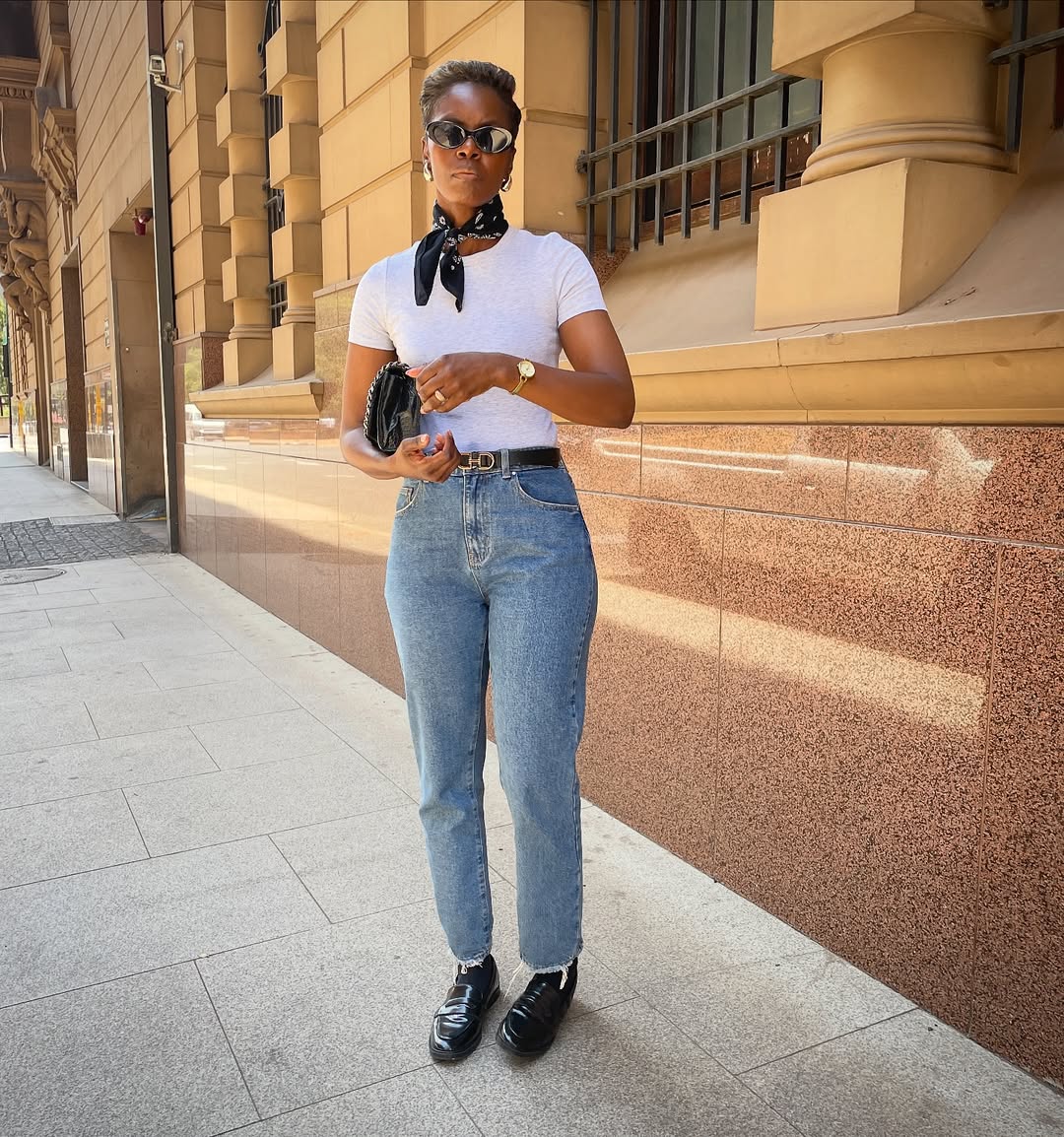
A part of it’s environmental. Trend stays probably the most polluting industries globally, and customers, significantly youthful ones throughout African and diaspora markets, are more and more conscious of that actuality. Shopping for much less isn’t nearly budgeting anymore; it looks like a acutely aware stance.
And a part of it’s inventive. Wanting good in the identical outfit a number of instances is tougher than shopping for one thing new. It requires understanding your wardrobe and utilizing it properly. That’s why it alerts actual fashion.
Why Repeat Outfit Tradition Wants an African Lens
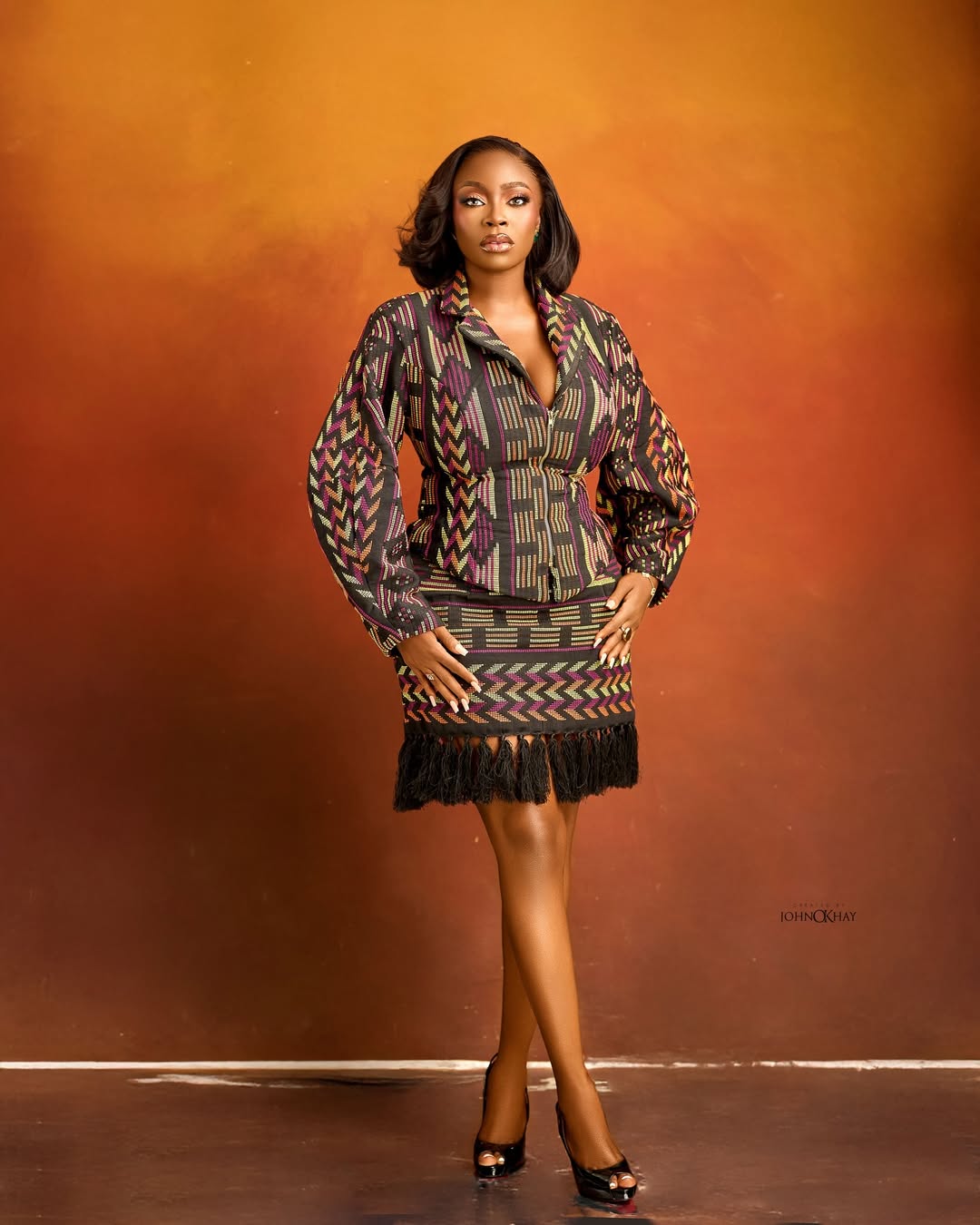
Most conversations round repeat outfit tradition are being framed from a Western perspective, one which treats outfit repetition as a current correction to overconsumption. However that framing is incomplete. It assumes that the thought of rewearing clothes wanted to be rediscovered, when in lots of African contexts, it was by no means misplaced to start with.
What makes this text needed is that it challenges that default narrative. In African cities like Lagos, Accra, and Johannesburg, style operates inside a special set of cultural expectations which might be formed by event dressing, group visibility, and the social language of clothes. Right here, the stress is not only about sporting one thing new, however about the way you present up: the material, the tailoring, the context, and the notion connected to repetition.
On the similar time, there’s a rising intersection between world digital tradition and native style habits. Social media has amplified the concept each look should really feel new, even in environments the place clothes has traditionally been valued for longevity. This creates a rigidity that’s particular to African and diaspora audiences caught between inherited cultural practices and imported requirements of visibility.
That rigidity is strictly why this dialog issues now. Repeat outfit tradition, when seen by way of this lens, is not only a mode shift. It turns into a negotiation between id, modernity, and notion. Writing about it on this context isn’t about following a worldwide development, however about understanding how that development is being reinterpreted, resisted, or quietly redefined in areas the place style has all the time carried deeper social that means.
The Artwork of the Repeat
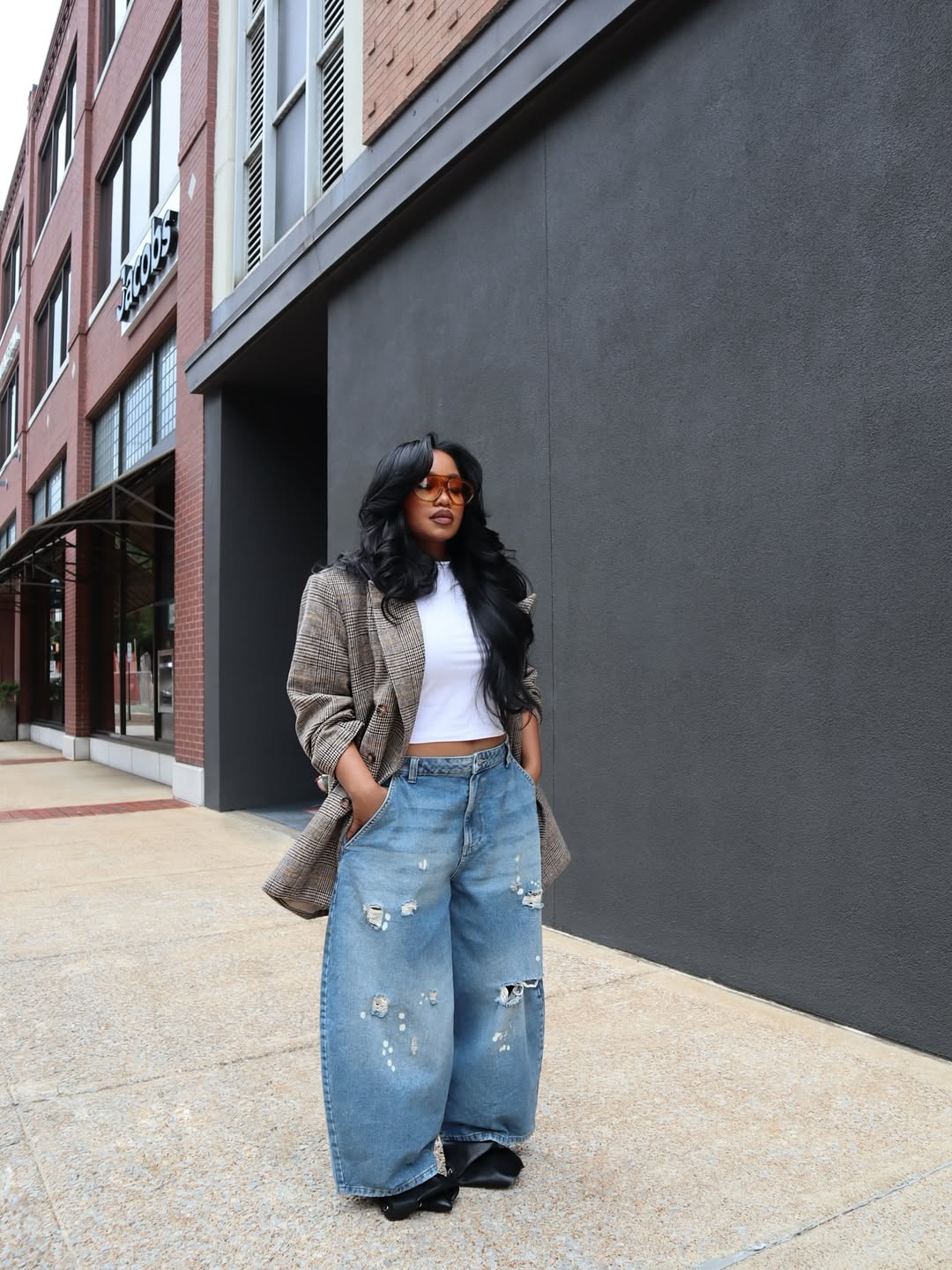
There’s a distinction between sporting the identical outfit twice and mastering repeat outfit styling, and that distinction is all the things.
When Cate Blanchett rewore appears on the press tour for Tár, she wasn’t being lazy. She was being deliberate. Reintroducing the identical Armani look—restyled—despatched a transparent message about sustainability, intention, and the concept nice clothes doesn’t expire.
Sensible repeat dressing tends to observe a couple of ideas:
#1. Restyle relentlessly
A midi costume worn to a marriage turns into a skirt when paired with a crisp shirt. A blazer from a go well with turns into an off-the-cuff layer over denims. A buba worn to a naming ceremony will be belted and styled for a rooftop dinner. The merchandise stays the identical; the context modifications.
#2. Put money into items which have a variety
That is the place the intentional wardrobe dialog will get sensible. In case you’re going to repeat, and you must, make sure that the items you’re repeating are value returning to. Good material. A silhouette that works in your physique. One thing that pictures properly and likewise feels good in actual life. High quality over amount isn’t only a cliché. It’s the precise technique.
#3. Cease asserting it
The liberty of repeat outfit tradition is partly psychological. You don’t owe anybody an evidence. “I’ve worn this earlier than,” mentioned apologetically, belongs to an outdated mindset. In 2026, you simply put on it confidently. Finish of story.
Why This Issues Particularly in African and Diaspora Markets
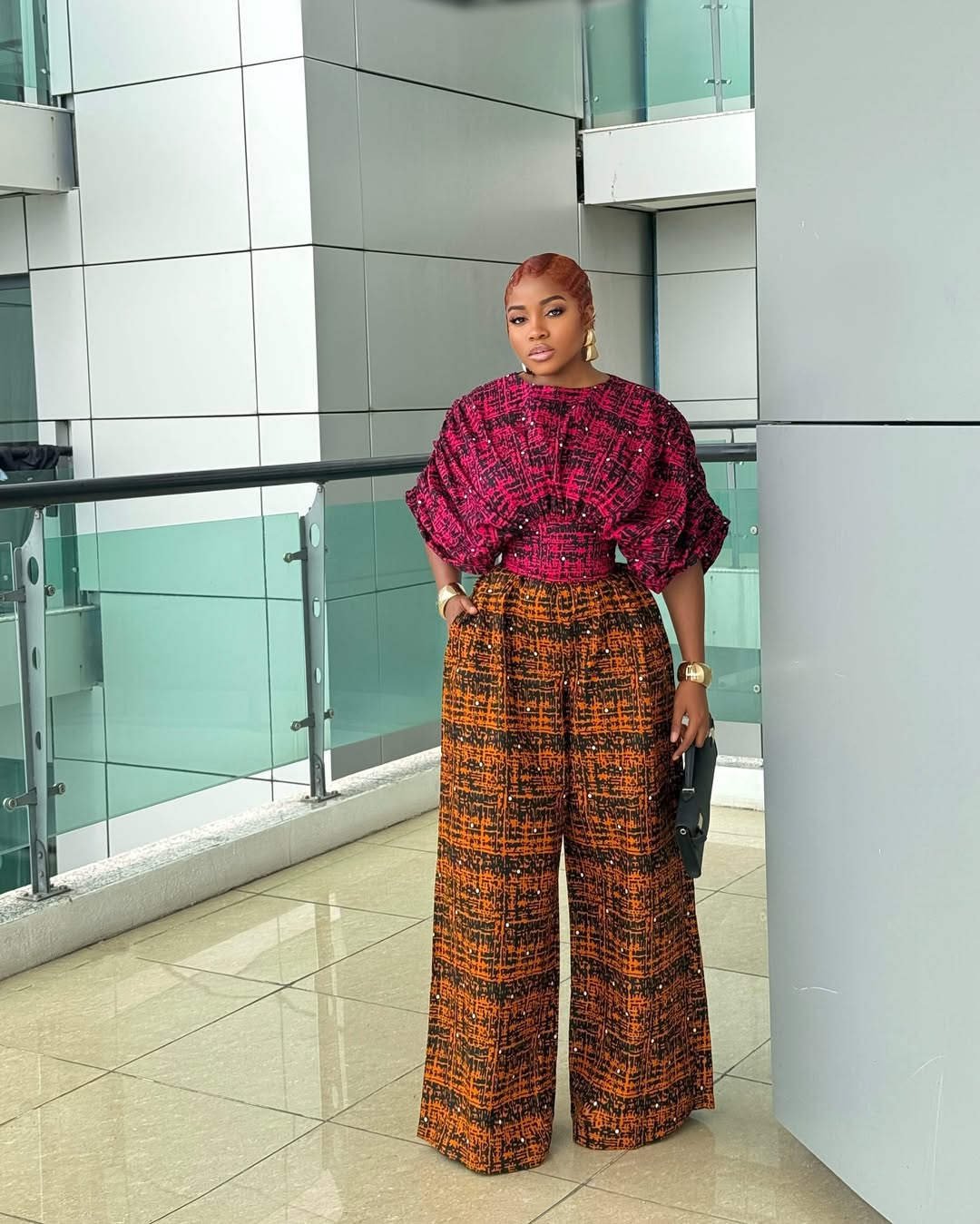
There’s an necessary cultural context right here. In lots of African traditions, the thought of sporting an outfit solely as soon as has all the time felt pointless. Items like Ankara material, Aso-ebi, and Agbada are designed to be worn, re-worn, altered, and even handed down. The “put on as soon as, put up, and by no means repeat” mindset was largely imported, and it by no means absolutely aligned with these traditions.
The return to intentional dressing in 2026 is, in some ways, a return to one thing extra aligned with what number of Black and African communities already considered garments—as investments, as id, as gadgets with longevity slightly than as disposable content material.
Constructing Your Repeat-Prepared Wardrobe
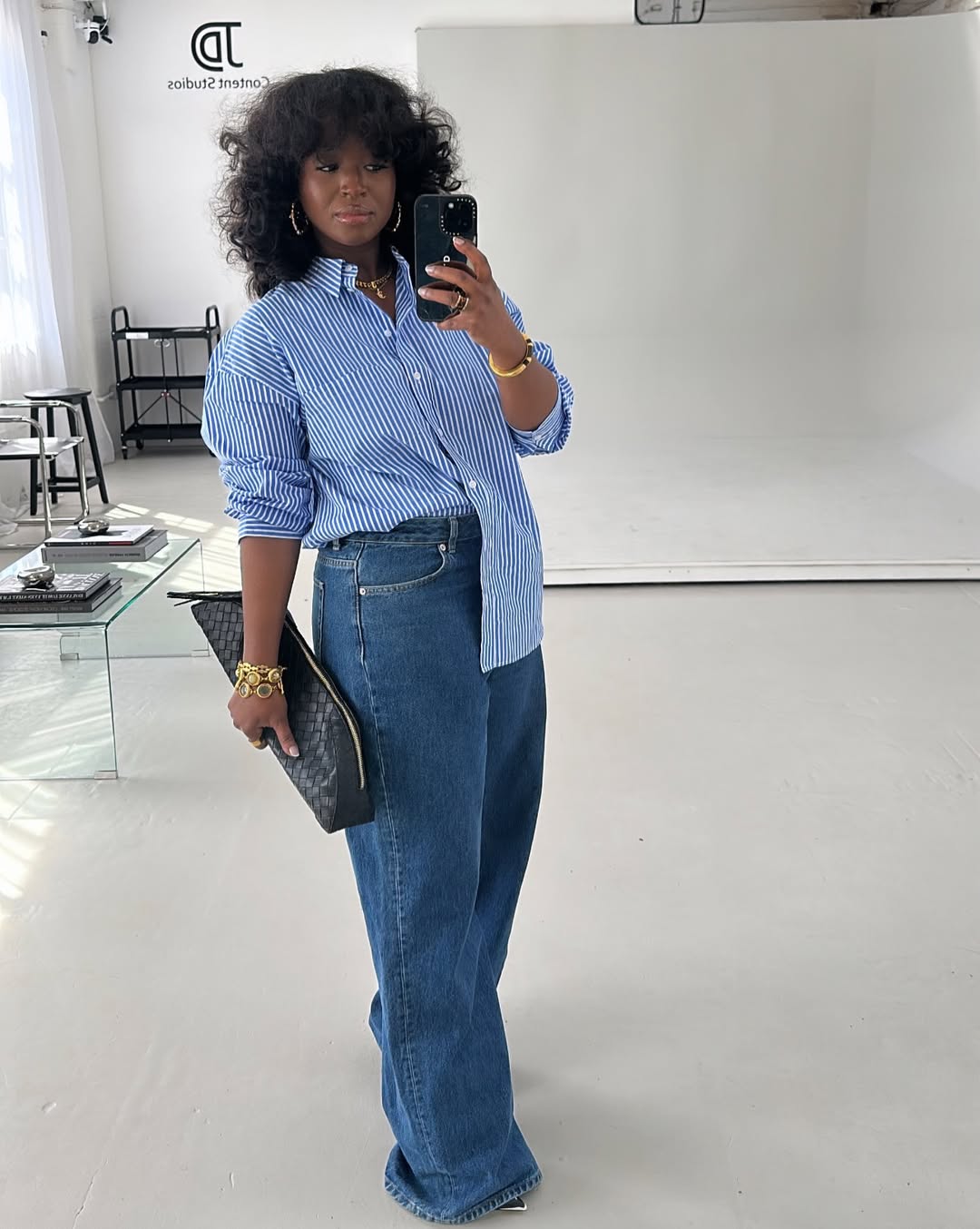
You don’t want extra garments. You want higher garments and higher styling habits.
#1. Determine your repeaters
Which three to 5 items in your wardrobe make you are feeling persistently assured? Begin there. Fashion them otherwise every time you put on them.
#2. Create outfit formulation
While you discover a mixture that works—this trouser with this high with these sneakers—write it down, screenshot it, keep in mind it. Formulation take the choice fatigue out of getting dressed and make repeat styling really feel easy.
#3. Deal with equipment as transformers
The identical costume with sneakers and a baseball cap reads fully otherwise than that very same costume with heeled boots and a structured bag. Accessories are the most cost effective strategy to make a repeat really feel new.
#4. Purchase to final, to not development
Each piece you add to your wardrobe in 2026 must be one thing you’ll be able to see your self sporting in 2028. If the reply isn’t any, that’s data.
Fashion is getting smarter. Not smaller. Smarter. And truthfully? It’s probably the most thrilling style shift in years.
Featured picture: @dorawilfred/Instagram