
Social media has revolutionized the style trade, shifting authority from conventional runway reveals to digital platforms. Trend authority was as soon as simple to find. It lived within the pages of print magazines, on the runways of Paris and Milan, and inside a tightly managed circle of editors, designers, and critics who determined what the world would see and when. For many years, this construction felt mounted. Tendencies moved downward: from runway to editorial, from editorial to shopper. Authority was centralized, managed, and sluggish. However not anymore.
That system has not disappeared completely, nevertheless it has been essentially disrupted. Social media didn’t merely add one other layer to vogue; it redistributed energy. It collapsed timelines, blurred roles, and opened entry to voices that had been as soon as exterior the body. What was as soon as dictated is now negotiated in actual time. Trend authority now not belongs to a single establishment. It exists as a community of affect—fluid, reactive, and continuously shifting.
How Social Media Remodeled Trend Authority: From Gatekeepers to Feeds
Conventional vogue authority was constructed on management. Editors at publications like Vogue, Elle, and Harper’s Bazaar decided what was related every season. Runway collections had been revealed months earlier than reaching the general public, interpreted via a curated editorial lens.
Then got here digital disruption. Fashion blogs in the early 2000s started to problem that hierarchy, introducing private fashion as a legit type of commentary. For the primary time, authority was now not restricted to establishments. It may very well be self-published.
The arrival of platforms like Instagram accelerated every thing. Runway imagery grew to become immediately accessible. Avenue fashion grew to become content material. Trend reveals reworked into world moments slightly than closed trade occasions. Instagram and TikTok at the moment are central to how vogue is consumed, shifting authority away from conventional constructions. The gap between creator and viewers collapsed, and so did the monopoly on interpretation. Authority started to fragment.
The Rise of Particular person Affect
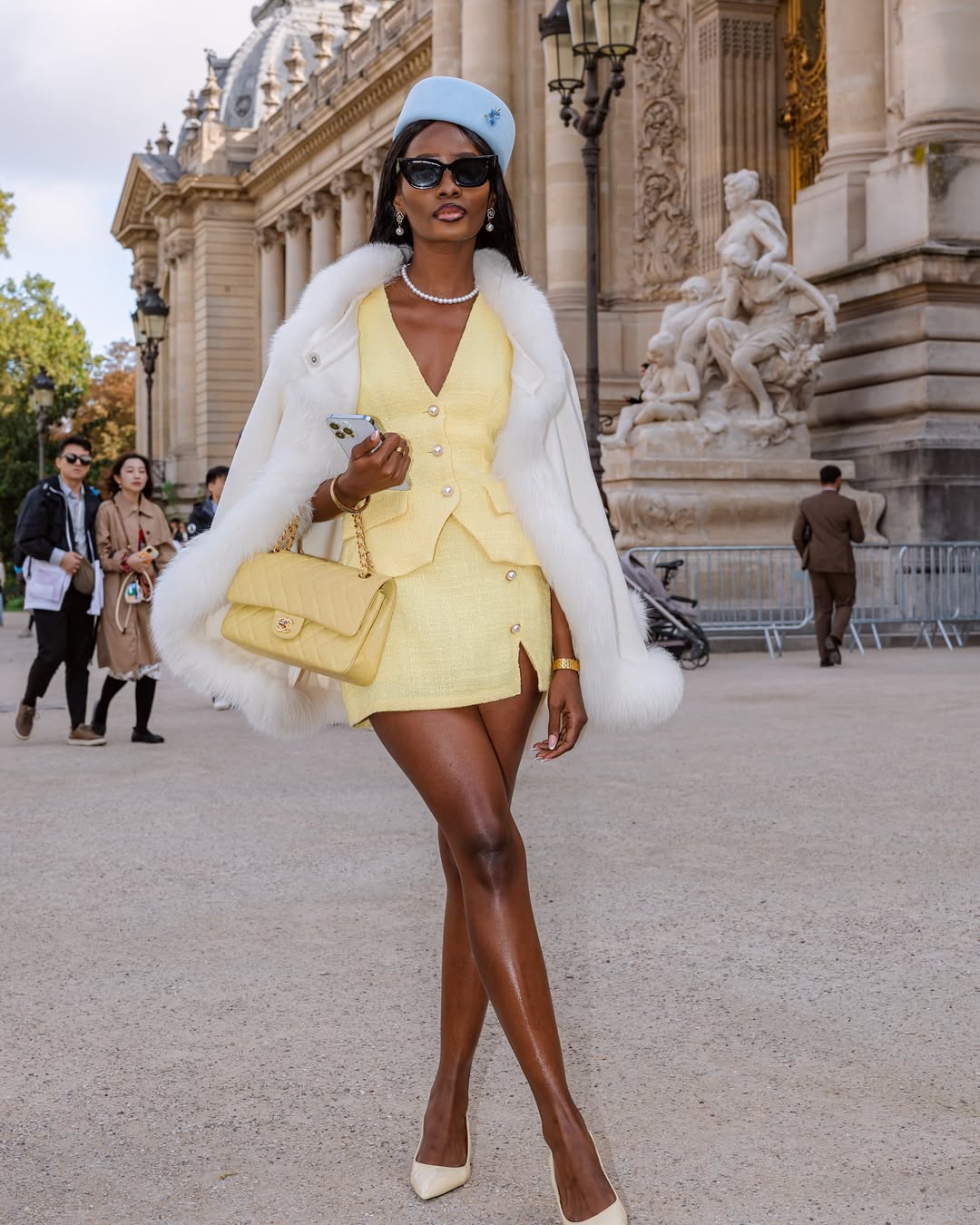
Social media launched a brand new type of vogue authority, one rooted not in institutional approval, however in visibility, consistency, and cultural resonance. Influencer advertising and marketing now sits on the middle of how manufacturers attain audiences, turning creators into highly effective distribution channels for fashion and identification.
Creators started shaping traits instantly from their private feeds. Figures equivalent to Chiara Ferragni of The Blonde Salad marked a turning level: affect now not required proximity to vogue homes; it solely required the power to seize and maintain consideration.
On this construction, authority is now not outlined by place, however by presence. It’s distributed throughout influencers, stylists, fashions, and on a regular basis customers whose aesthetics achieve traction via repetition and engagement. What issues isn’t just what’s created, however what’s seen, saved, and shared. Authority turns into much less about hierarchy and extra about networked visibility.
How Social Media Remodeled Trend Authority: Algorithms because the New Editors
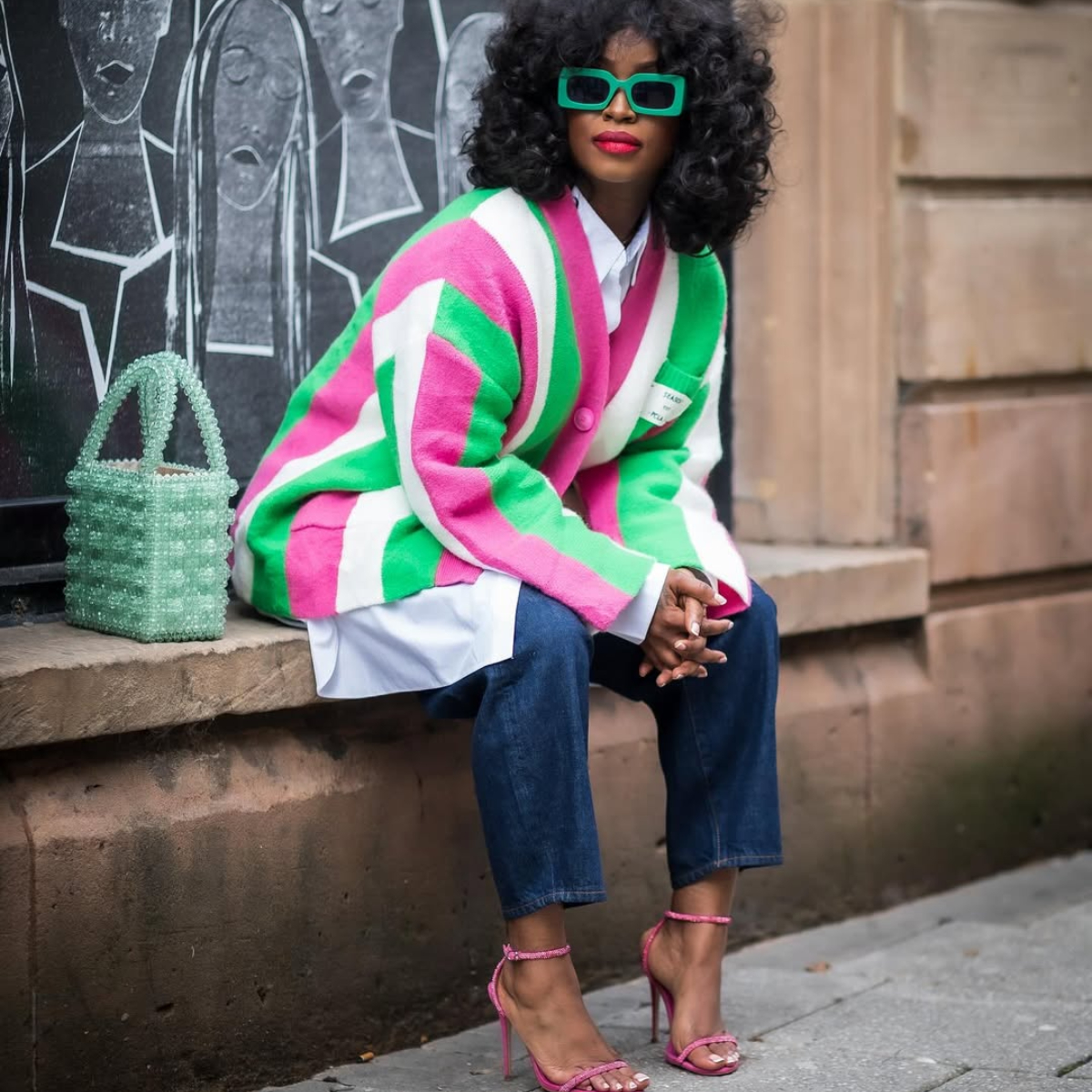
If editors as soon as determined what mattered, algorithms now decide what turns into seen. Platforms like TikTok and Instagram function on engagement slightly than editorial judgment. What individuals watch, like, and repost shapes what spreads. On this setting, recognition can shortly resemble authority.
A single submit can provoke a pattern. Repetition amplifies it. Mass engagement legitimizes it. This has essentially altered the rhythm of vogue affect. Authority is now not sluggish and directional; it’s speedy, reactive, and data-driven. The query now could be who creates and what the algorithm chooses to raise.
The Democratization of Style
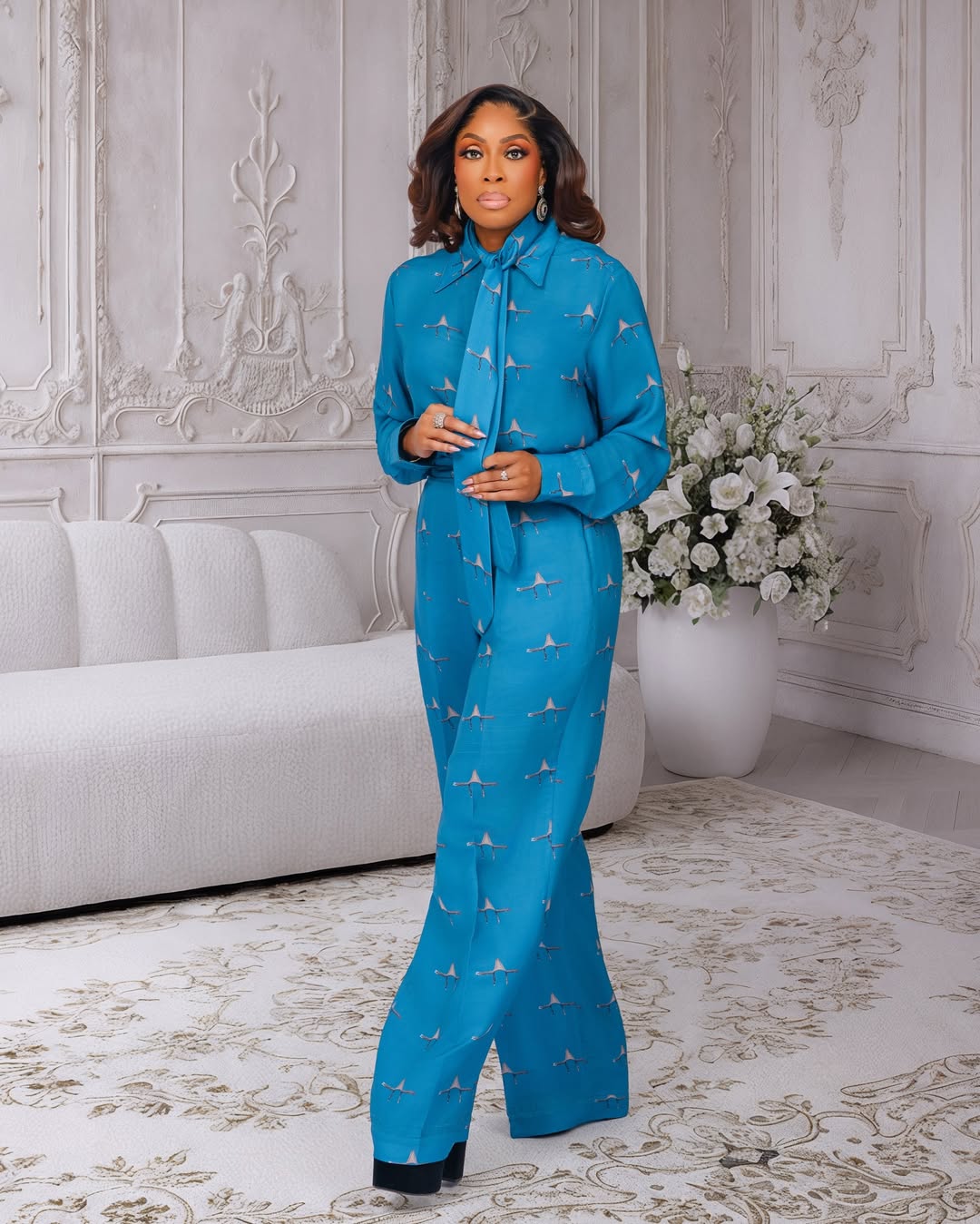
Some of the vital shifts introduced by social media is entry. Trend is now not geographically or institutionally restricted. A creator in Lagos, Seoul, London, or New York can contribute to world fashion conversations with out formal entry factors.
This has expanded what vogue can appear to be and who will get to outline it. Aesthetic variety has elevated. Cultural expression is extra seen. Private styling has developed right into a type of world participation slightly than purely native expression. Authority has shifted from prescribing style to reflecting it.
The Acceleration of Affect
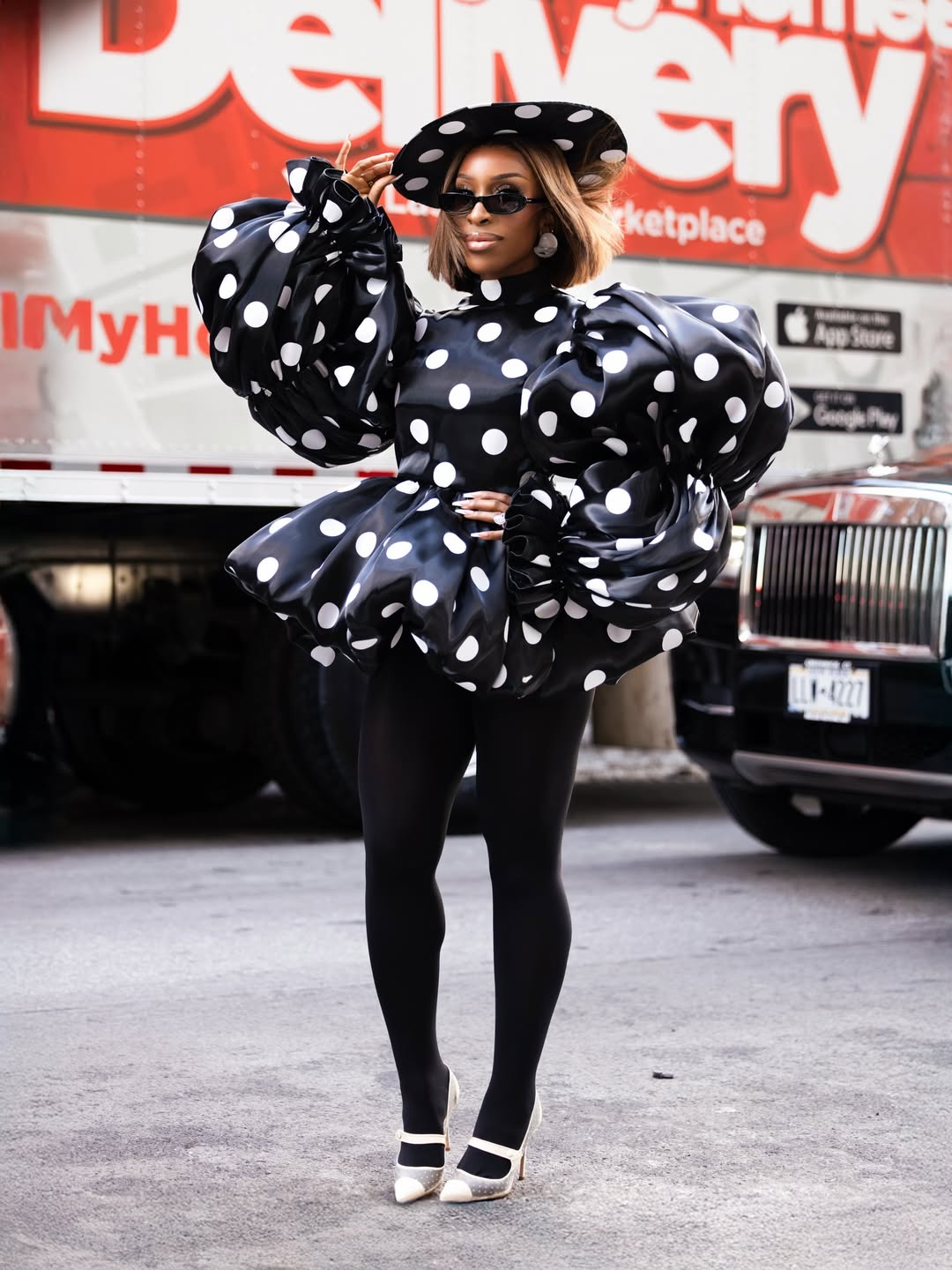
Trend cycles as soon as adopted a seasonal rhythm. Immediately, they transfer on the velocity of consideration. Tendencies now not require runway validation. They’ll emerge from a short-form video, achieve traction in a single day, and affect retail demand inside days. TikTok traits and YouTube vogue content material have reshaped how Gen Z discovers fashion, accelerating each the rise and decline of traits.
This acceleration has reshaped how authority features. It’s now not secure or long-term. It’s momentary, responsive, and continuously renegotiated. Trend is now skilled as a steady stream of micro-trends slightly than a set calendar of collections.
How Social Media Remodeled Trend Authority: Affect Versus Authenticity
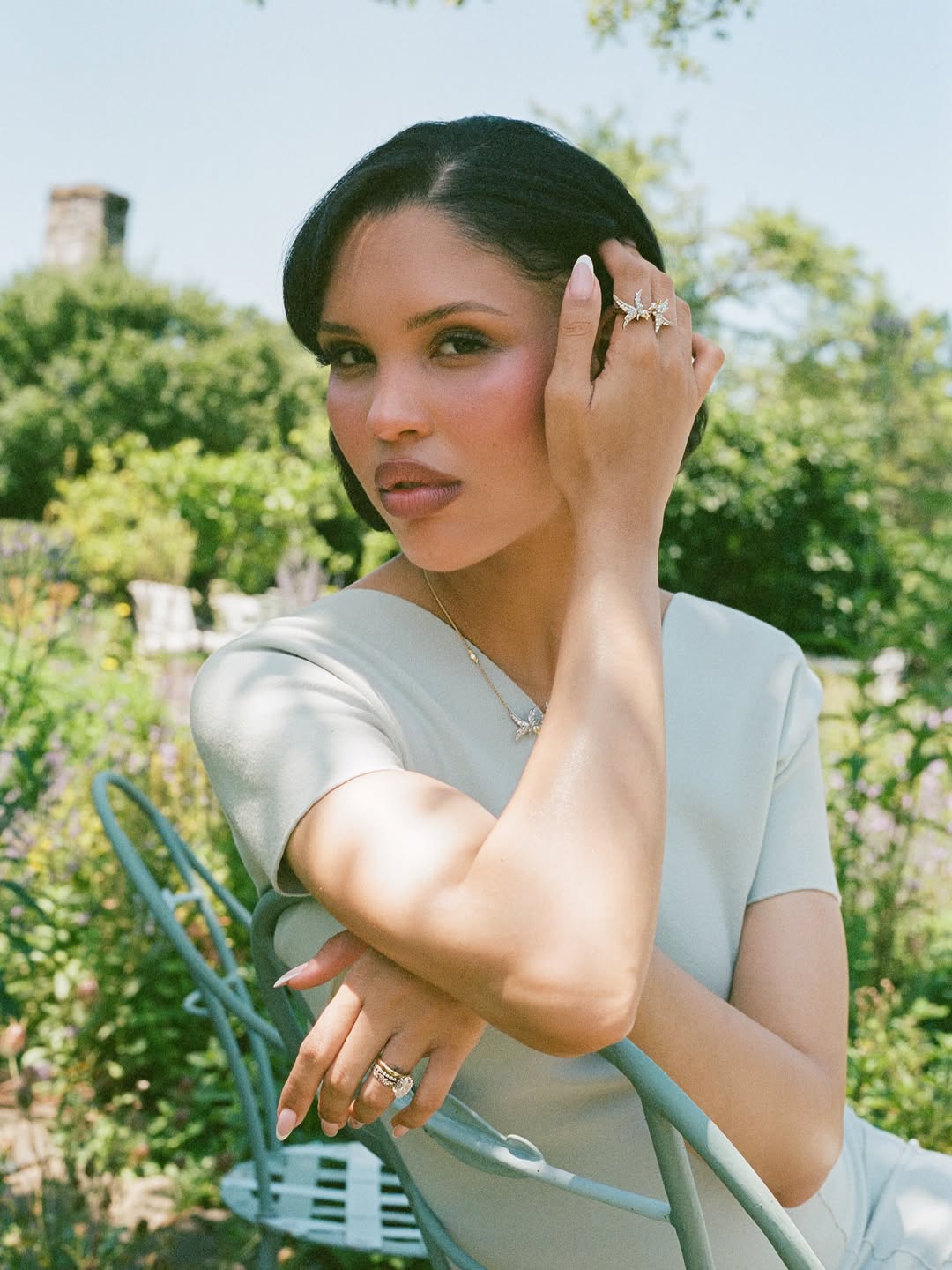
As visibility will increase, so does scrutiny. Social media has blurred the road between private expression and curated identification. Affect is commonly strategic, formed by efficiency, consistency, and viewers expectation.
In consequence, authenticity has grow to be each a type of foreign money and a contested one. Audiences are extra conscious of constructed identities than ever earlier than. Essentially the most enduring voices aren’t essentially the loudest, however people who preserve readability, coherence, and belief over time. Authority, on this sense, is now not outlined by attain alone; it’s grounded in credibility.
The Economics of Affect: Who Earnings From Authority?
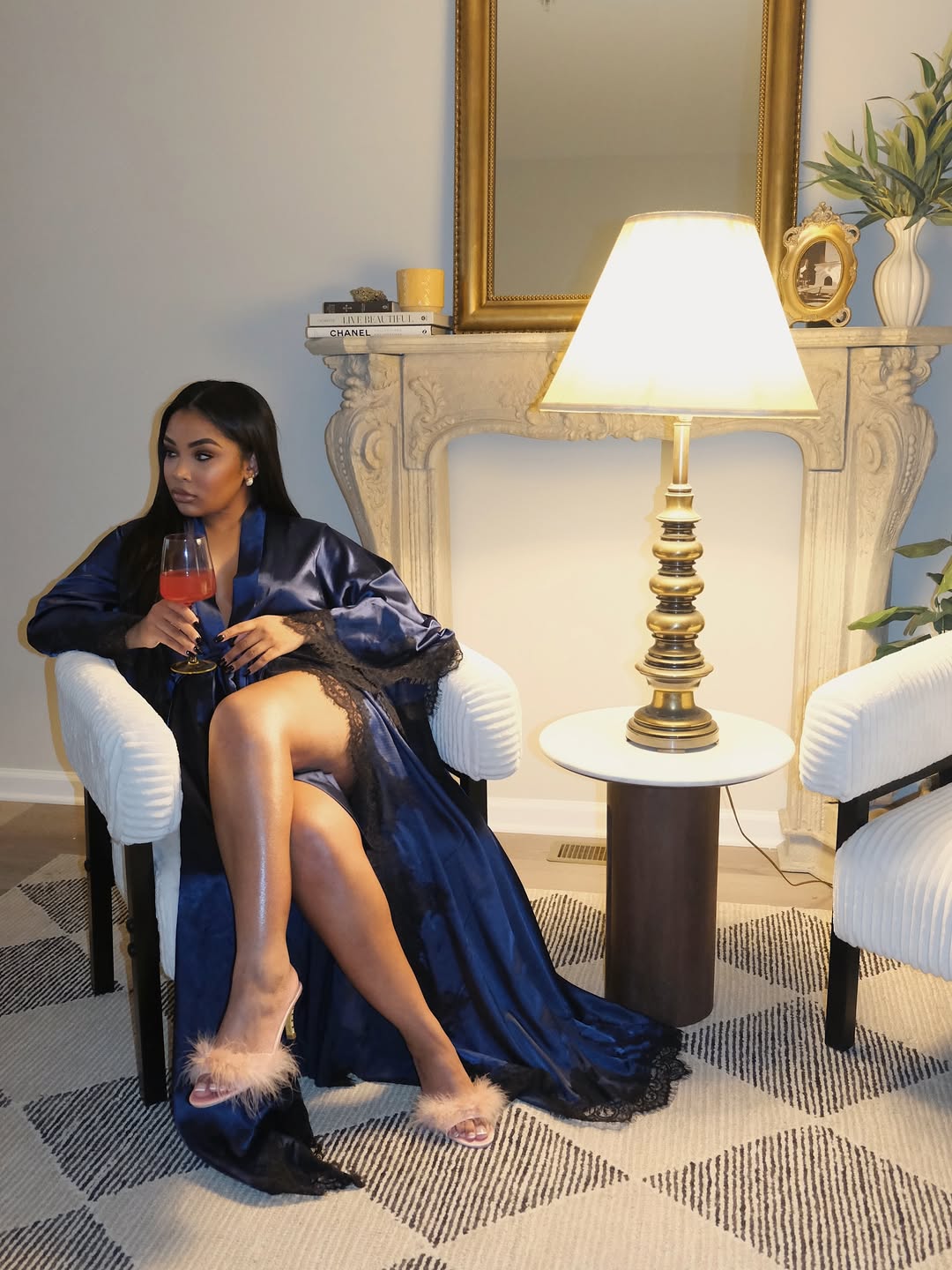
Social media has not solely reshaped who holds affect; it has redefined how that affect is monetized. Authority in vogue is now instantly tied to commerce in ways in which conventional programs by no means absolutely achieved.
Up to now, the connection between affect and gross sales was oblique. Editors formed need, however conversion occurred later via retail, promoting, and seasonal shopping for cycles. Immediately, that hole has disappeared. A single submit can generate speedy demand, measurable site visitors, and real-time income.
Manufacturers now design methods round this actuality. Influencers aren’t simply tastemakers; they’re distribution channels. Campaigns are constructed for engagement metrics as a lot as aesthetic influence. Virality just isn’t unintentional, however engineered.
Furthermore, this shift has additionally modified how merchandise are developed. Gadgets are created with shareability in thoughts: daring graphics, recognizable silhouettes, and visible hooks that carry out effectively in feeds. In lots of instances, what sells isn’t just what appears good in individual, however what reads immediately on display screen.
On this sense, vogue authority within the social media period is greater than cultural. It’s financial, data-driven, and deeply intertwined with the mechanics of digital platforms.
Conclusion: Authority, Rewritten
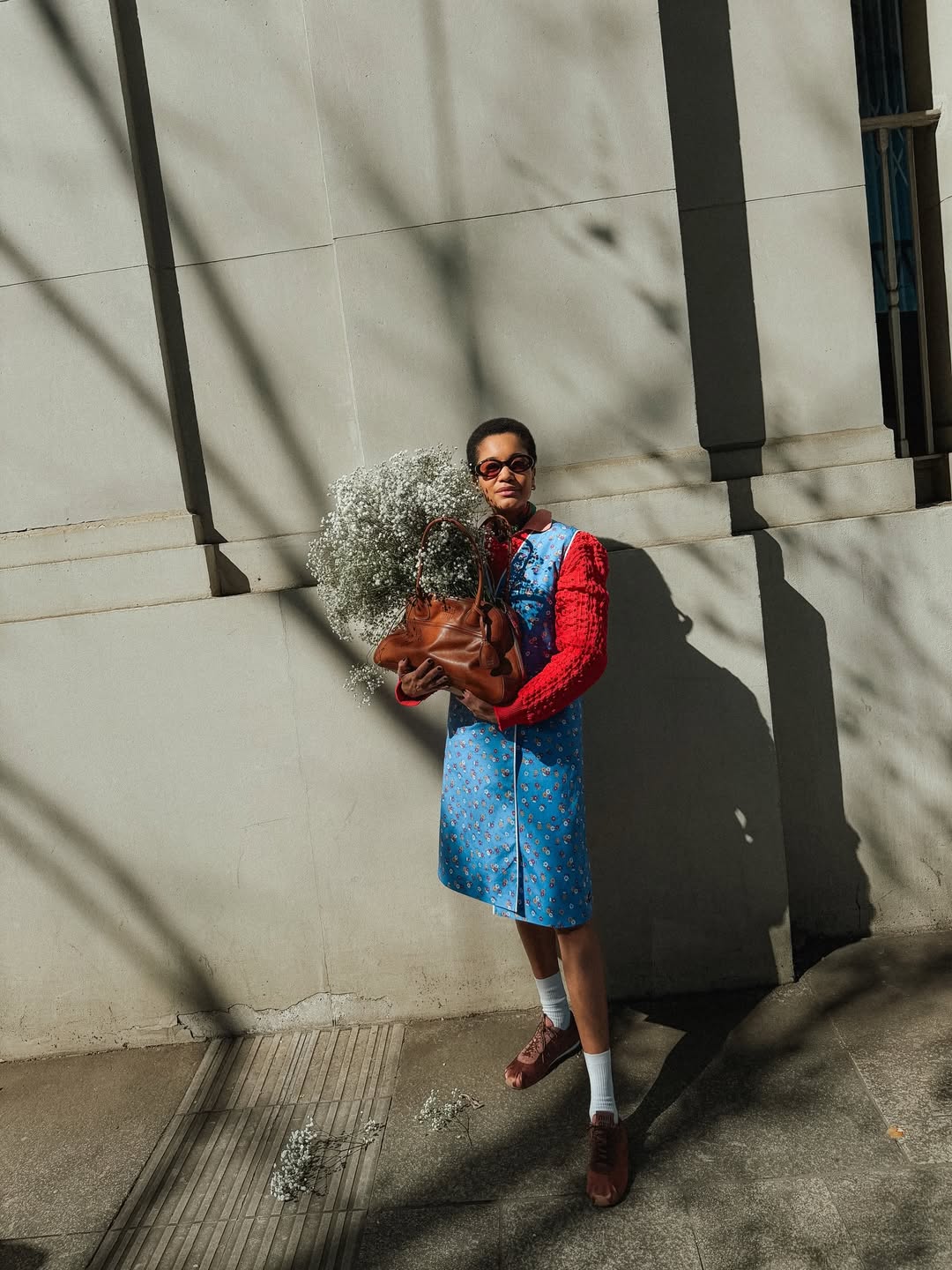
Social media didn’t get rid of vogue authority. It redistributed it. What was as soon as centralized inside establishments is now shared throughout people, platforms, and algorithms. Authority now not resides in a single place; it strikes repeatedly between creators and audiences, formed by engagement and interpretation.
Trend affect at present is much less about command and extra about connection. Much less about gatekeeping and extra about visibility. Much less about singular voices and extra about collective participation. On this evolving system, authority is negotiated in actual time throughout feeds, cultures, and hundreds of thousands of particular person decisions.
In that fixed trade, vogue turns into extra speedy, extra democratic, and extra reflective of the world that consumes it.
Featured Picture: @cherifaakili/Instagram