
Regardless of the success of reveals like “Heated Rivalry” and “Euphoria,” seeing queer folks on display continues to be uncommon. Only 9.3% of characters on American TV screens have been recognized as LGBTQ+ within the 2024-25 season. Round 41% of these characters should not scheduled to return for subsequent seasons, sounding alarms amongst these within the LGBTQ+ group in regards to the drop in illustration throughout a interval of political uncertainty.
Regardless of media networks’ and streamers’ unsteady assist for queer characters on TV, just a few sequence have damaged by the mainstream to display the influence that wealthy, explicitly queer-focused tales can have on viewers. Considered one of them, “Heartstopper,” has been significantly touching for followers.
“Heartstopper” has been praised for its optimistic depiction of queer love, pushing again in opposition to tropes like “bury your gays” and trauma porn that sensationalize the struggling and dying of LGBTQ+ characters. This breakout success for queer pleasure in media returns for its ultimate chapter on July 17, 2026, as “Heartstopper Forever,” the feature-length conclusion to the three-season Netflix present.
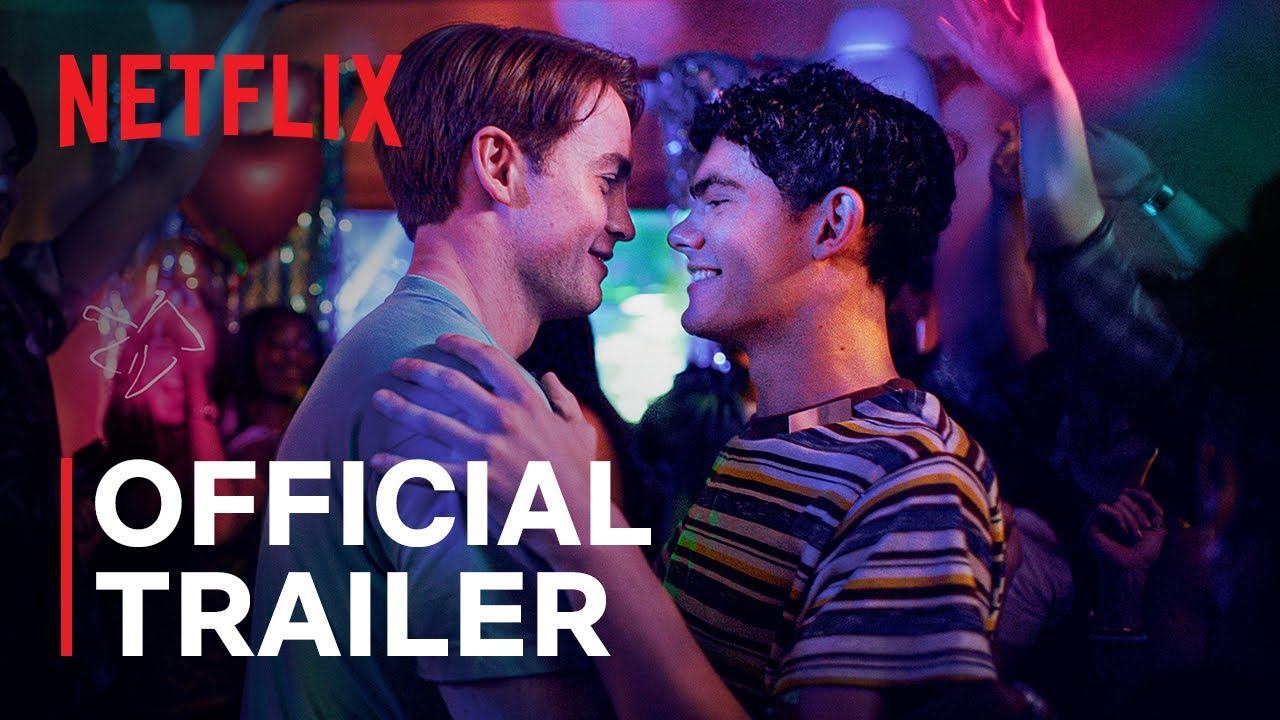
Tailored from Alice Oseman’s webcomic and graphic novel series, “Heartstopper” follows the love story of Charlie, a homosexual boy who has a historical past of being bullied for his sexuality, and Nick, a preferred jock who slowly discovers his bisexuality all through the primary season. Their buddies assist them by the challenges of younger love, and plenty of make their very own self-discoveries about gender and sexuality alongside the best way.
“Heartstopper” has been known as the young adult version of “Heated Rivalry,” successful present in regards to the surprising chemistry and steamy romance between two rival male hockey gamers. As a substitute of specific intercourse scenes, “Heartstopper” has primarily constructed anticipation towards hand-holding and first kisses.
However whereas the principle characters of “Heartstopper” are youngsters, the present’s followers span every age and identity.
“Heartstopper” has meant so much to many individuals, together with us – two professors in sociology and English and queer sisters who share a love of younger grownup media. So, over the previous two years we’ve interviewed greater than 50 “Heartstopper” followers, ages 18 to 74, looking for to grasp the influence the present has had on followers and on the media extra broadly.
What we’ve discovered is that “Heartstopper,” and different joyful queer tales prefer it, generally is a pivotal supply of therapeutic, group and hope for the longer term.
Nobody’s 20s and 30s look the identical. You could be saving for a mortgage or simply struggling to pay hire. You could possibly be swiping courting apps, or making an attempt to grasp childcare. Irrespective of your present challenges, our Quarter Life series has articles to share within the group chat, or simply to remind you that you just’re not alone.
Learn extra from Quarter Life:
Reimagining queer youth
Students have lengthy argued that folks connect emotionally to the tales they see on the display. Loads of the grownup followers we talked to – whose names we’ve modified to guard their privateness – associated to seeing a narrative like Charlie and Nick’s, even years after their very own adolescent experiences.
Many noticed the “Heartstopper” story as a bittersweet one. They imagined what their lives may have been like had they grown up within the time, place and world of “Heartstopper,” a phenomenon researchers name wishful reprocessing.
Nova, a 56-year-old bisexual girl, informed us she noticed herself within the present as “the me that I want I might have been at the moment.” As a dark-skinned Black lady rising up in america, she didn’t have the area to discover her sexuality the best way characters on the present did.
She described “Heartstopper” as virtually a method of therapeutic her childhood trauma – imagining an alternate model of her personal coming-of-age story.
Reconsidering private historical past
We discovered many followers’ relationship to the present was closely influenced by the place and after they grew up. They mirrored not simply on what their lives may have been like if they’d been within the “Heartstopper” universe, but in addition on how their lives differed from Nick’s and Charlie’s as a result of they grew up in a time and place not but influenced by same-sex marriage or mainstream queer tv reveals.
Matthew, a 60-year-old white man, described himself as “broken by (his) youth” rising up in a extremely non secular small city that made being homosexual appear unimaginable. The AIDS epidemic started in his late teenagers, and he grew to become petrified of the illness and the vile discourse that got here with it.
At present, he stays largely disconnected from an in-person queer group. However “Heartstopper” has given Matthew hope. He now advertises his love for the franchise on his courting profiles, and he describes the nights he watches the present as a technique to incorporate a little bit of “therapeutic” and “gay-friendly acceptance” into his life for a few hours.

Samuel Dore/Netflix
The sense of hope that watching “Heartstopper” brings is one thing Julian, a 74-year-old homosexual white Hispanic man, emphasised. He says he tries to not “what-if” himself when evaluating his expertise with the acceptance he sees on display. He’s effusive about how grateful he’s for his youngsters and grandchildren who’re in his life solely as a result of he lived as a straight man when he was youthful and got here out later in life.
At present, Julian rewatches “Heartstopper” always. By his estimate he’s at over 100 reruns of all three seasons. He describes the present as a balm after a foul day or discouraging political developments. “I’ll placed on ‘Heartstopper’ simply to carry my spirits. As loopy or as silly as that sounds, it does one thing to my soul.” The present has helped him bond along with his granddaughter, and he recommends it broadly throughout his social community each time he can.
Queer group on display
A part of what grownup followers like about “Heartstopper” is the queer group it brings to the display. All through the story, Nick and Charlie cobble collectively a various and supportive group of buddies, whose tales the viewer additionally follows.
Researchers usually spotlight how seeing your identities represented on display may also help you imagine your own place on this planet. For some, that on-screen group grew to become a stand-in for in-person queer group after they couldn’t discover what they wanted on the time. When Megan, a 29-year-old white lesbian, misplaced contact along with her queer operating group, she informed us “watching the present grew to become … my group briefly whereas I’m in the hunt for it in actual life too.”
Quite a few followers shared how feeling seen by “Heartstopper” helped them embrace their very own identities.
Jack, a 34-year-old white trans man, stated the present gave him a “holy shit” second. Regardless of figuring out for years that he recognized as a person, Jack nonetheless introduced as female in on a regular basis life. He turned to “Heartstopper” for the primary time after giving delivery and experiencing extreme postpartum melancholy. One thing shifted inside him. Watching Charlie and Nick made him understand that he may very well be masculine and nonetheless be along with his husband.
“I’ve simply been dwelling as me, and it’s been superior,” he stated.
Queer pleasure
“Heartstopper” followers have felt embraced by queer illustration that celebrates a variety of LGBTQ+ identities. It’s the enchanting hopefulness and emotional care of “Heartstopper” that ring a bell for a lot of grownup followers.

Frazao Studio Latino/E+ via Getty Images
Many individuals within the queer group have withstood trauma, and depicting those experiences in tales is necessary for a various and trustworthy queer illustration.
However “Heartstopper” makes an intentional selection to start its story proper after the worst of these occasions have occurred to its characters. Its optimistic portrayal of coming of age as queer folks, the place characters discover assist throughout self-discovery and queer love is widely known, has been groundbreaking for a lot of followers.
“Heartstopper” isn’t only a sappy fantasy for younger queer folks in the present day. Optimistic queer tales permit queer of us internationally to examine what group may appear like and encourage them to search out it in their very own backyards.