
International coverage is normally mentioned as a matter of nationwide pursuits – oil flows, borders, treaties, fleets. However there’s a drawback: “nationwide curiosity” is an inherently ambiguous phrase. Though it’s usually introduced as an expression of sheer drive, its effectiveness finally rests on one thing softer – the style through which a government performs moral authority and projects credibility to the world.
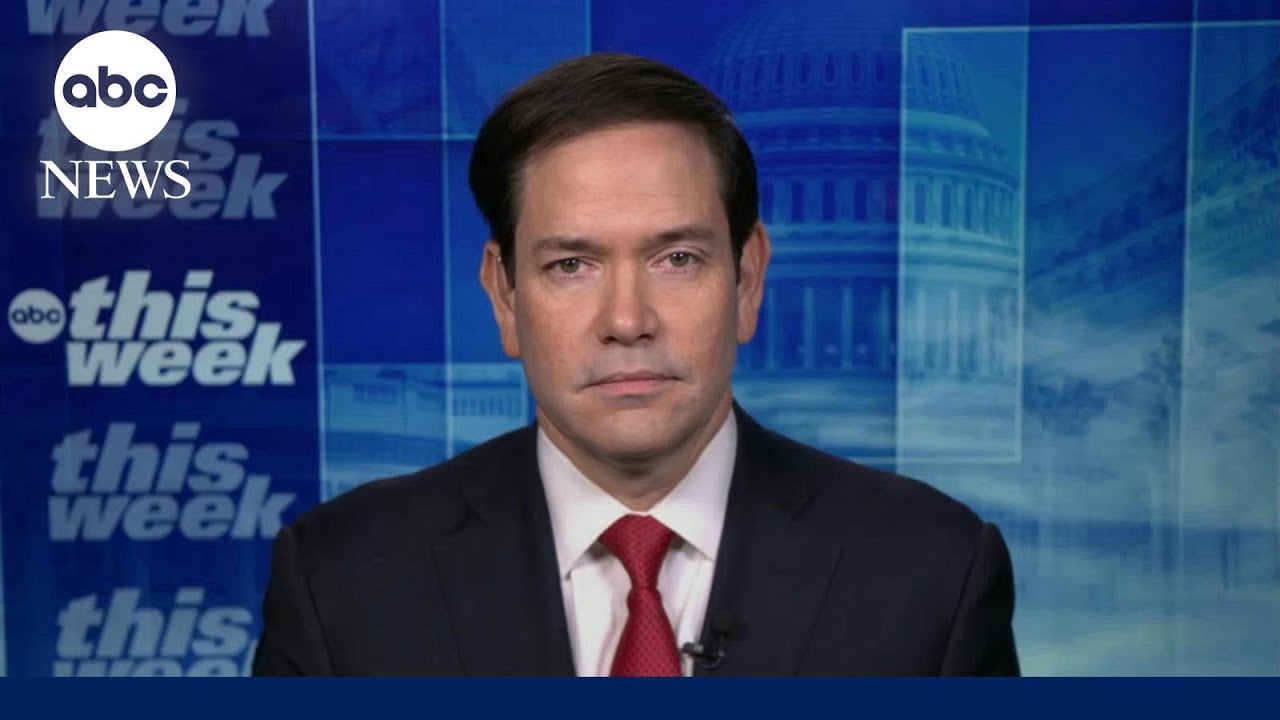
The model of that efficiency is a part of the substance, not simply its packaging. On Jan. 4, 2026, on ABC’s This Week, that model shifted abruptly for the U.S.
Anchor George Stephanopoulos pressed Secretary of State Marco Rubio to clarify President Donald Trump’s declaration that “the United States is going to run Venezuela.” Below what authority, Stephanopoulos requested, might such a declare presumably stand?
Rubio dodged the query. He simply stated that america would enact “a quarantine on their oil.” Venezuela’s financial system would stay frozen, unable “to maneuver ahead till the circumstances which are within the nationwide curiosity of america and the interests of the Venezuelan people are met.”
Rubio’s level presumed authority quite than pausing to justify it. It was a diplomacy of dominance – coercion dressed up as concern. The unstated assumption was pure wishful pondering: that “nationwide curiosity” would instantly prevail, flowing easily in all instructions.
As a historian of the early republic and the author of a biography of George Washington, I’ve been reminded today of how Washington – amid harsh storms not like something the nation faces right this moment – solid a imaginative and prescient that handled restraint, not self-justifying unilateralism, because the truest measure of American nationwide curiosity.
Acknowledging burdens and penalties
Within the 1790s, america confronted a world dominated by corsairs and kings. The Atlantic was not yet an American lake. Spain blocked its western river, the Mississippi. Britain still held forts on U.S. soil. Revolutionary France tried to recruit American passions for European wars. And in North Africa, petty “Regencies,” as Europe politely known as them, seized American ships at will.
The younger nation was humiliated earlier than it was sturdy. George Washington understood that humiliation intimately. Independence had freed America from Britain, however not from the world.
“Would to Heaven we had a navy,” he confessed to the Marquis de Lafayette in 1786, eager for ships “to reform these enemies to mankind, or crush them into nonexistence.” However such a fierce want by no means grew to become Washington’s overseas coverage. Visibility invited peril; peril required composure.
In 1785, two American service provider vessels – the Maria of Boston and the Dauphin of Philadelphia – have been captured by Algerian cruisers. Twenty-one sailors have been chained, stripped and offered into slavery. Their households begged the federal government to pay ransom. Negotiators proposed paying tribute, a form of protection-in-advance cost system. The value saved rising.
President Washington refused to be rushed by both pity or anger. Paying the extravagant sum, he warned his cupboard in 1789, “may set up a precedent which might all the time function and be very burthensome if yielded to.”
Precedent mattered to Washington. A republic should measure not solely what it may afford, however what it is going to be compelled to really feel tomorrow due to what it pays right this moment.
The Trump administration’s strategy to Venezuela demonstrates the other intuition. It represents a readiness to take unprecedented steps without pausing to acknowledge their burden and consequences.
Washington feared that behavior of nearsightedness in overseas affairs exactly as a result of he believed it corrupted empires – and will corrupt republics as effectively.
Neutrality as ‘emotional self-discipline’
The storms quickly multiplied.
By 1793, Europe was already “pregnant with great events,” Washington wrote to Lafayette. The French Revolution, welcomed at first as a triumph of “The Rights of Man,” slid into terror and basic warfare.
Citizen Genet, the French envoy to america, landed in Charleston, South Carolina, and proceeded to enlist Americans’ assist in France’s warfare with Britain by commissioning privateers in U.S. ports to prey on British ships. Genet didn’t request permission to do that from Washington.
Gratitude to France – indispensable ally throughout the Revolution, supplier of fleets, troopers and hard-to-forget loans – clashed with alarm at her new calls for. A single misstep might have dragged america into one other catastrophic battle.
And but, Washington responded to Genet not with rashness and bravado however with restraint made public legislation.
The 1793 Proclamation of Neutrality insisted that the “responsibility and curiosity of america” required “a conduct friendly and impartial toward the belligerent powers.” Neutrality was an emotional self-discipline – the one supply of authority.
Friendliness: technique, not concession
President Washington knew that the street to profitable pursuit of nationwide pursuits was paved with worldwide credibility.
Washington needed America “to be little heard of within the nice world of Politics,” preferring as an alternative “to change Commodities & stay in peace & amity with all the inhabitants of the earth.”
The primary president pitched the republic’s voice towards extraordinary folks quite than rival powers. He spoke of “inhabitants,” not overseas enemies. He handled restraint – not self-justifying unilateralism – because the truest measure of nationwide curiosity.

Library of Congress
Even when insulted or thwarted – by Spanish intrigues on the Florida frontier, by British seizures in the Caribbean, by pamphleteers accusing him of being a monarch in disguise – Washington’s tone remained measured.
On March 4, 1797, he would go away the presidency. His closing creed was easy and religious: “My coverage has been, and can proceed … to be upon pleasant phrases with, however impartial of, all the nations of the earth.”
For Washington, friendliness was a technique, not a concession. The republic would deal with different nations with civility exactly to be able to stay impartial of their appetites and quarrels.
International coverage as civic mirror
The statements from the Trump administration about Venezuela revive habits Washington as soon as deplored: sovereignty managed through fear, pressure enforced by economic asphyxiation, domination smoothed over with promises of kindness. On this efficiency, U.S. pursuits operate as a clean test, and restraint seems out of date.
But foreign policy has never been only a ledger of advantage. It’s also a civic mirror: the emotional register of a authorities that tells residents what sort of nation is appearing of their title, and whether or not it tries to stability nationwide curiosity with obligations to others.
Washington believed America’s legitimacy overseas relied on persistence and respect for the autonomy of others. The present strategy to Caracas publicizes a unique creativeness: an influence that boasts of quarantines, units circumstances – and calls the outcome partnership.
A republic should nonetheless defend its pursuits. However I imagine it also needs to defend the temperament that made these pursuits appropriate with independence within the first place. Washington’s America realized to face amongst stronger powers with out demanding to run them.
The query requested on “This Week,” then, is barely the start.
The deeper query stays whether or not america will proceed to carry out energy with the self-discipline of a constitutional republic – or give up that self-discipline to the simple attract of what appears to solely serve nationwide curiosity, however fails to construct credibility or relationships that endure.